Further Research
This page is dedicated to providing resources and insights for those interested in furthering their research. It offers a variety of tools and links to help guide your exploration and deepen your understanding of the Yiddish & Jewish Culture.
.jpeg)
A survey of Ber Borokhov’s contribution to research on Yiddish language and literature aims to clearly describe his influence on the history of Yiddish studies and the ways in which his unique combination of political and academic work reflected the times in which he lived.
For many centuries, Hebrew remained a language that was not only important but holy for Jews around the world, fundamentally serving their spiritual needs.
A specific vision of Vilna as the model of an East European Jewish civil society crystallised in the years during and just after the FirstWorld War, and Vilna’s professional elites and journalists played a critical role in the crafting and shaping of this idea.
The city of Vilna was famous as a center of Jewish cultural and intellectual life known as “the Jerusalem of Lithuania." In the period between the two World Wars it became known as the site of a modern, secular culture in the Yiddish language, earning it a new nickname: “the capital of Yiddishland.” This essay looks at the flourishing of Yiddish culture in Vilna with a special focus on YIVO, the center for Yiddish scholarawgip that made its home in the city.
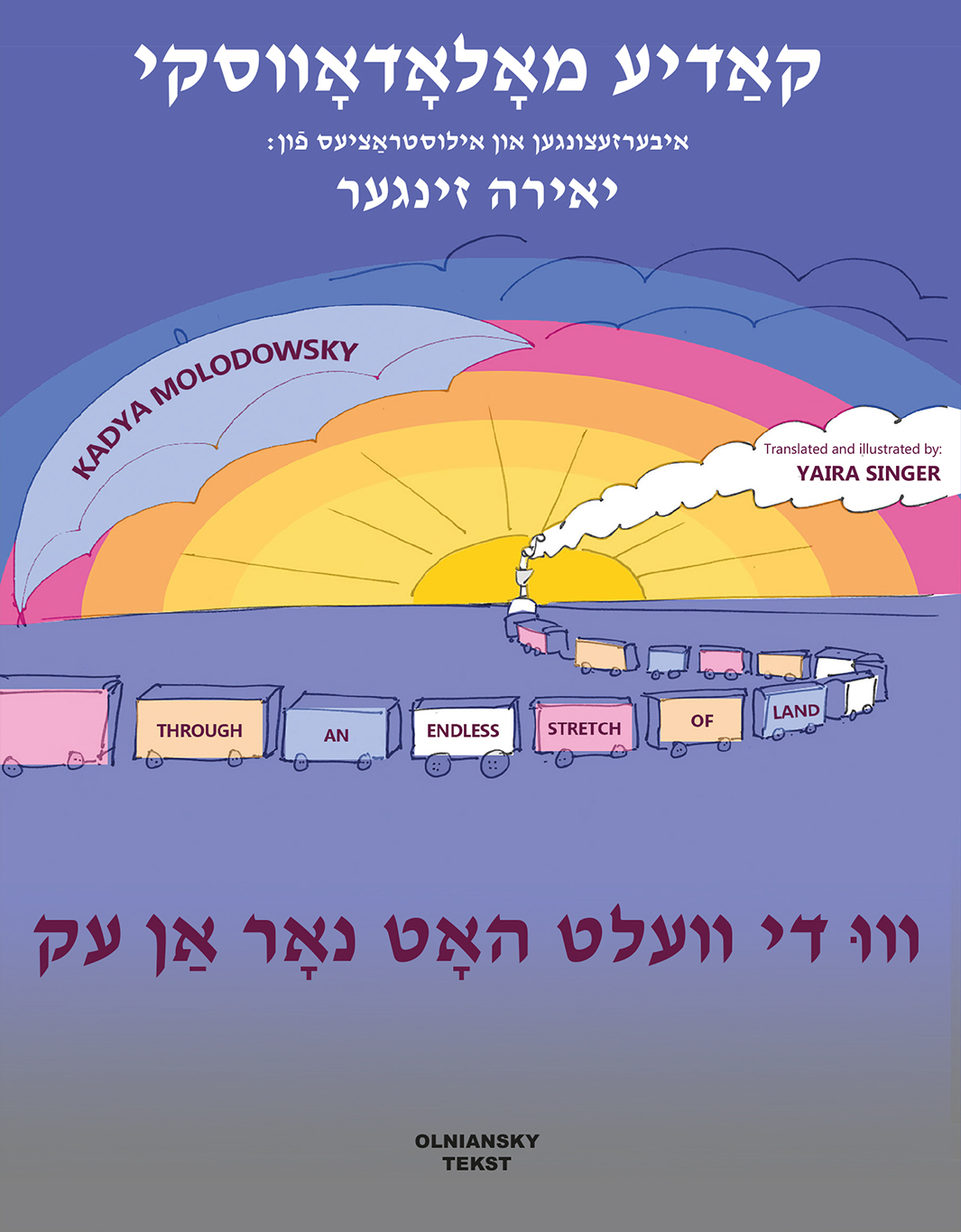
“Vu di velt hot nor an ek” (Through an Endless Stretch of Land), by Kadya Molodowsky. Children’s poems in Yiddish and English.
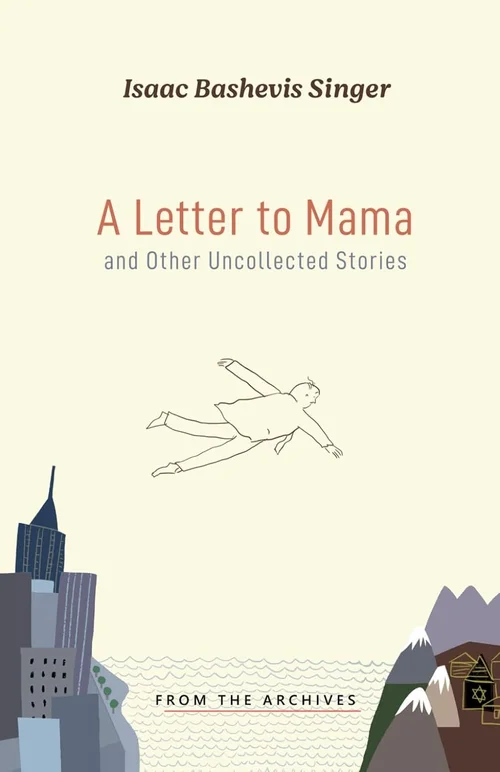
By learning the power of twice-told tales, three restless, rebellious Jews—Rebbe Nahman of Braslav, I. L. Peretz, and I.B. Singer—were reborn as Yiddish storytellers. By returning to fantasy and the live, spoken language of the people, they turned storytelling into an autonomous, highly creative and potentially explosive activity.
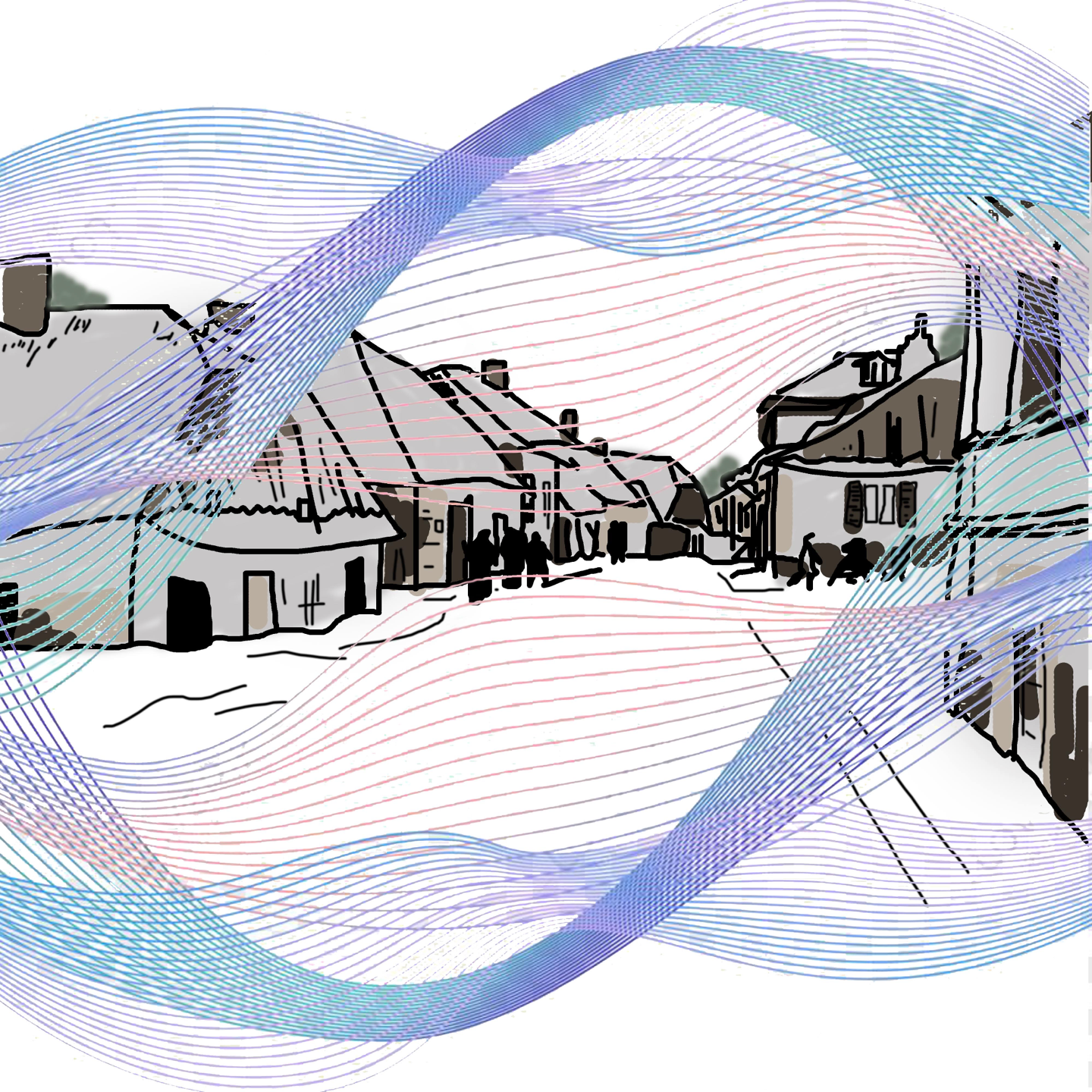
Interviewing today's Yiddishists at the frontier of using technology to proliferate the Yiddish language and culture worldwide.
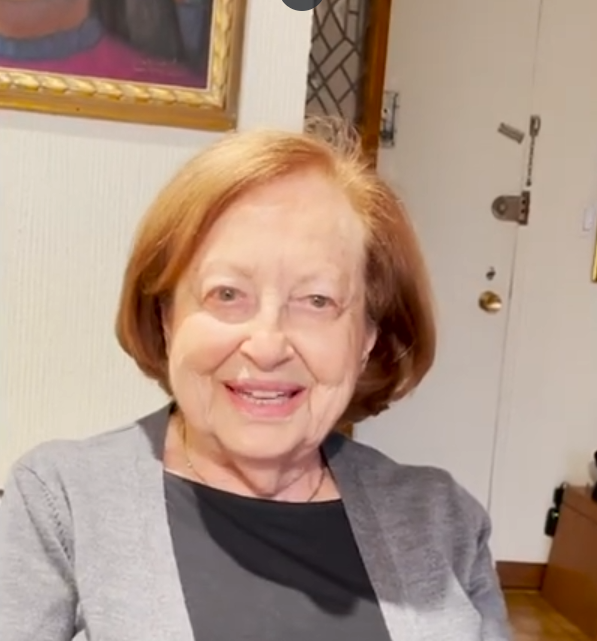
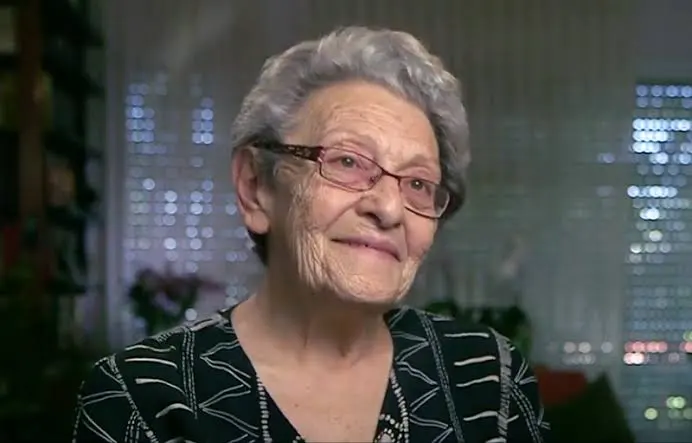
Video interview in Yiddish with translations made by granddaughter Gealia Singer Cimet; Memories from the perspective of a young 8 year old Jewish girl from Kovno, Lithuania, Shoshana Ralsky (Cimet) describing life before the war, and then in the Ghetto and various concentration camps, until liberation.
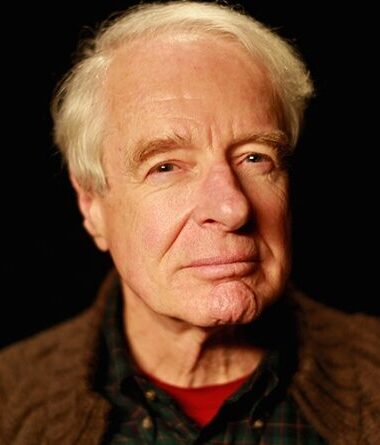
An essay written after a lecturing trip to Lviv, reflecting on how the city and its Center for Urban History confront a difficult history, including the Holocaust, in the midst of the present war. Published in The American Scholar.
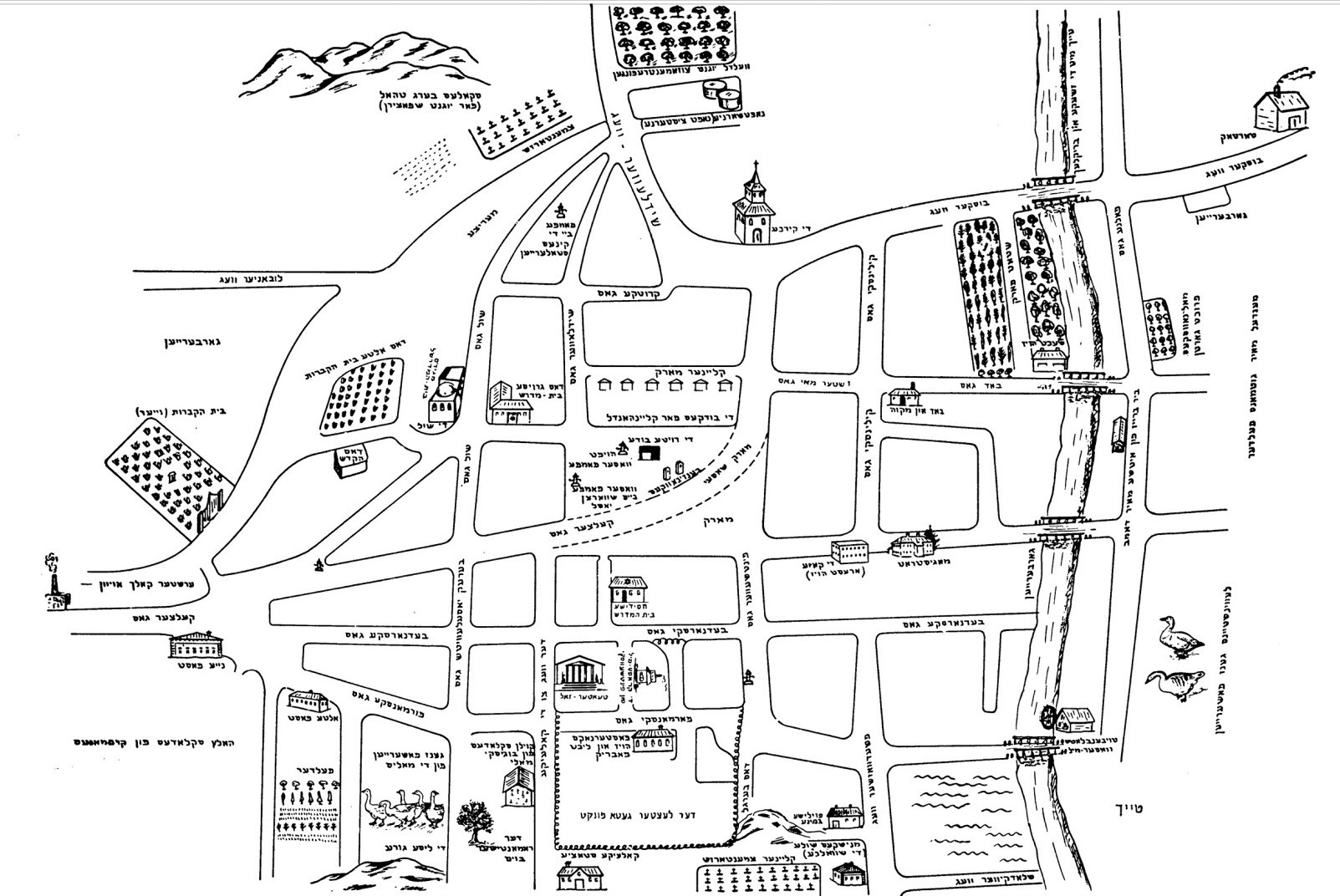
Hand drawn maps as remembrance practice: Moshe Kleinhendlers memories of his home shtetl, Khmielnik
The Shoah (Khurbn in Yiddish, Holocaust in English) remains an event that defies comprehension. Never before had there been a war of such complete genocidal intent waged against a culture, a religion, and ethnic minority that was not a combatant in the war itself.
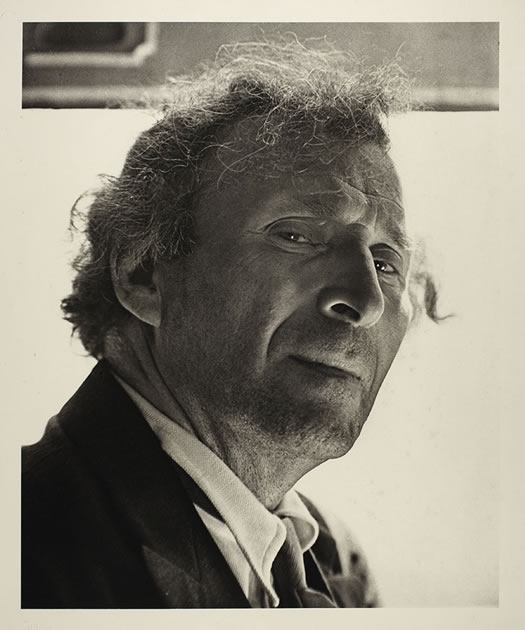
Photographer Roman Vishniac’s vast archive documenting Jewish life in Eastern Europe before and after World War II
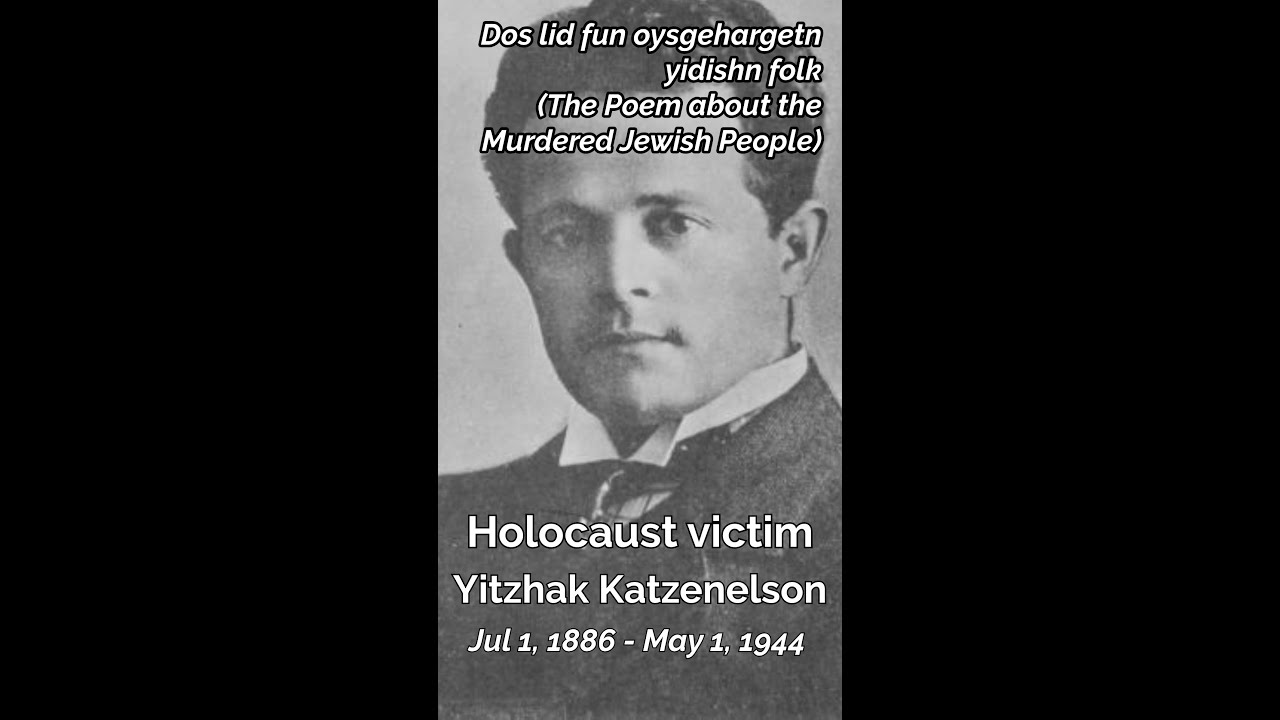
Encyclopedia Judaica has described Katzenelson's Song as "one of the greatest expressions of the tragedy of the Holocaust," and Hermann Adler has called it Eastern European Jewry's greatest poetic act of resistance.
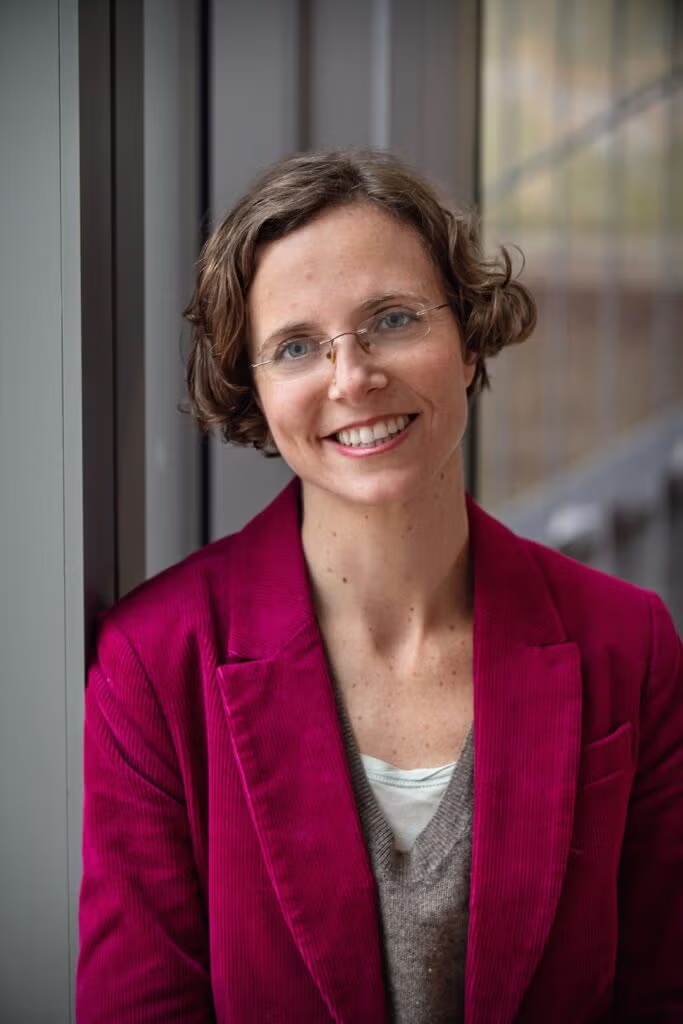
The Holocaust radically altered the way many East European Jews spoke Yiddish. Finding prewar language incapable of describing the imprisonment, death, and dehumanization of the Shoah, prisoners added or reinvented thousands of Yiddish words and phrases to describe their new reality.

Digitized Yiddish-language account of Mordkhe Tsanin's travels through Poland soon after the war, visiting a hundred destroyed Jewish communities. Hosted by the Yiddish Book Center.
Sheva Zucker’s book and recordings, Di Goldene Pave/The Golden Peacock .. This collection which features the work of 12 Yiddish writers — Glatshteyn, Dropkin, Wiesel, Leivick, Leyeles, Molodowsky, Manger, Sutzkever, Korn, Sholem-Aleichem, Schaechter-Gottesman and Shraibman.
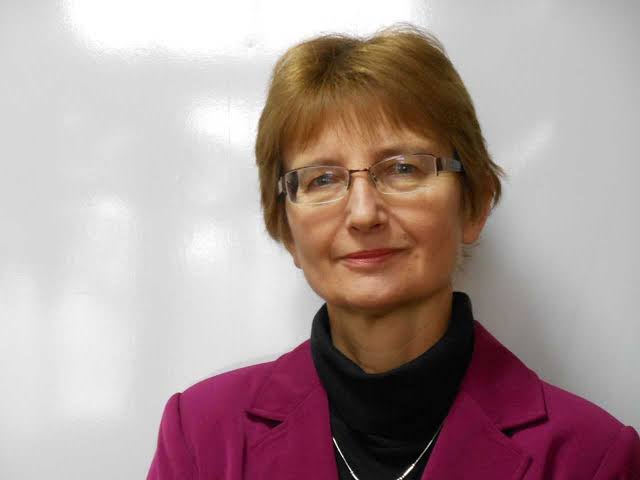
The essay explores the author’s lifelong engagement with American and Yiddish literature, focusing on the rediscovery of Jewish culture and history through language and translation.


The Warsaw Institute is a Polish-based geopolitical think tank. Its main areas of interests include international relations, energy security, defense, history, culture, and any other issues crucial for Poland and Central and Eastern Europe.
The Holocaust Explained includes hundreds of pages of content based on a wide variety of source material in the form of videos, images and text. It is managed by The Wiener Holocaust Library. The Library is the oldest archive of material on the Nazi era and the Holocaust in the world.

A Living Memorial to the Holocaust

The largest and most comprehensive archive of the modern Jewish experience outside of Israel



We believe that yiddishkayt — the culture, language, art, and worldviews of Eastern European Jews, as they lived in Europe and in the places they settled — has a crucial role to play in our world today.

Comprising the organizational records of JDC, the overseas rescue, relief, and rehabilitation arm of the American Jewish community, the JDC Archives houses one of the most significant collections in the world for the study of modern Jewish history.


Search the Archives is designed to make the collections of state and other institutions archives available on the Internet. Now you can use them for free without leaving your home.
A research institution in Lviv with extensive material on the region's Yiddish culture and urban Jewish history. A search for "Yiddish" on their site returns well over a hundred related resources.

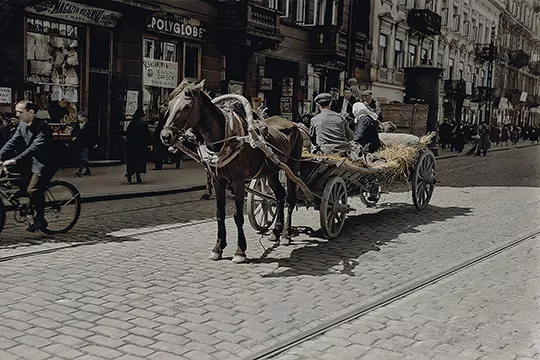
In 2020, during the Covid-19 pandemic, I became interested in artificial intelligence in photography and film. Thanks to this technology, I created a collection of colorized photos of Warsaw from 1915-1949